The following article explores artisanal ceramic lighting, examining its historical context, manufacturing processes, design principles, and contemporary applications. This field integrates traditional craft with functional illumination, offering objects that serve both practical and aesthetic purposes.
The relationship between ceramics and light is long-standing, predating modern electrical systems. Early civilizations utilized ceramic vessels to house wicks and oil, creating rudimentary lamps. These early forms were primarily utilitarian, focusing on containing fuel and directing light. The durability and heat resistance of fired clay made it an ideal material for these early lighting devices.
Ancient Origins and Early Forms
Examples from ancient Egypt, Greece, and Rome demonstrate the widespread use of ceramic oil lamps. These lamps often featured simple, open dishes with a spout for the wick, sometimes decorated with basic motifs. Their evolution reflects both technological advancements in wick design and artistic expressions indigenous to the respective cultures. The formal and iconographic development of these lamps provides insight into daily life and artistic trends of ancient societies.
The Material Evolution
As ceramic technology advanced, so did the sophistication of ceramic lighting. From earthenware to stoneware and porcelain, each material offered distinct properties regarding form, finish, and firing temperature. This evolution facilitated more intricate designs and greater control over light diffusion and direction. The adoption of glazes, for instance, not only added decorative elements but also enhanced durability and ease of cleaning, indirectly impacting light reflection.
Crafting Radiance: The Artisanal Process
The creation of artisanal ceramic lighting is a multi-step process, grounded in traditional pottery techniques but adapted for modern electrical components. Each stage requires precision and an understanding of material properties.
Material Selection and Preparation
The choice of clay body is fundamental. Stoneware, porcelain, and earthenware each possess unique characteristics that influence the final product’s aesthetic and structural integrity. Stoneware offers robustness and a natural, earthy feel, while porcelain provides translucency and refined elegance. Earthenware, though less durable, allows for vibrant glazes and lower firing temperatures. Clays are often mixed with grog or other additives to control shrinkage, increase strength, and improve workability during the forming stages.
Forming Techniques: Hands and Tools
Artisanal ceramic lighting fixtures are typically formed using one of several traditional pottery techniques:
- Wheel Throwing: This method is often employed for symmetrical forms such as lamp bases, pendants, and cylindrical shades. The potter centers a lump of clay on a rotating wheel, shaping it with their hands and various tools. This technique allows for organic, flowing lines and a sense of handmade refinement.
- Slab Building: For geometric or architectural forms, slabs of clay are rolled out and then cut and joined. This method lends itself to constructing more complex, angular shapes that may not be easily achievable on the wheel, offering a canvas for sculptural expression.
- Coiling: This ancient technique involves building up a form by rolling out long ropes of clay and joining them layer by layer. Coiling is particularly suited for large-scale, irregular, or organic forms, allowing for a slower, more deliberate construction process.
- Molding and Slipcasting: These techniques allow for replication and can be used for more intricate details or consistent production of multiple identical components. Plaster molds capture the desired form, into which liquid clay (slip) is poured or pressed. While offering consistency, the finishing work after demolding often retains the artisanal touch.
Regardless of the primary forming method, significant post-forming work is required, including refining surfaces, attaching components, and creating openings for wiring and electrical fittings.
Firing and Glazing: The Transformation
After forming and drying, ceramic pieces undergo a high-temperature firing process in a kiln. This vitrification transforms the clay into a durable, stone-like material. Most artisanal ceramic lighting involves at least two firings:
- Bisque Firing: This initial, lower-temperature firing hardens the clay, making it handling-resistant and porous, ideal for glaze application.
- Glaze Firing: A higher-temperature firing that melts the applied glazes, creating a vitreous, non-porous surface. Glazes are selected not only for their color and texture but also for their light-diffusing and reflective properties. Matte glazes absorb light, while glossy glazes reflect it, each contributing to a different lighting effect. The interaction between glazes and the light source is a critical design consideration.
Specialized firing techniques, such as Raku or wood firing, can also be employed to achieve unique surface textures and color variations, often with unpredictable but visually compelling results.
Integration of Electrical Components
Once fired, the ceramic elements are prepared for the integration of electrical components. This involves drilling appropriate holes for wiring, securing lamp holders, and ensuring safe assembly in compliance with electrical standards. The design must accommodate the functional aspects of lighting, such as bulb type, wattage, and heat dissipation, ensuring both aesthetic appeal and operational safety.
Sculptural Form Meets Functional Light: Design Principles
Artisanal ceramic lighting transcends mere utility; it functions as a sculptural element within a space. The design principles guiding its creation emphasize the interplay between form, material, and light.
Form as a Narrative
Each ceramic light fixture tells a story through its shape, texture, and materiality. The curve of a pendant, the geometric precision of a table lamp base, or the organic undulations of a wall sconce are not arbitrary; they are deliberate choices that evoke emotion and define space. The forms can draw inspiration from nature, architecture, or abstract concepts, translating these ideas into tangible objects. The light itself then becomes an extension of this narrative, casting shadows and highlighting contours.
The Interplay of Texture and Glaze
The surface of a ceramic light fixture is a tactile and visual experience. Unglazed, raw clay offers an earthy, matte finish that absorbs light, creating a soft, diffused glow. Glazed surfaces, from smooth and glossy to textured and matte, interact with light in different ways. A highly reflective glaze can amplify light, while a textured glaze can break it up, creating visual interest and depth. The choice of glaze directly influences how light is perceived and distributed.
Light Diffusion and Direction
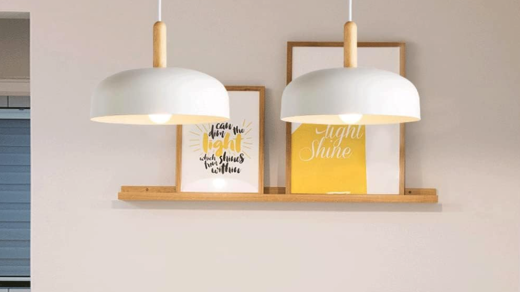
A key design consideration is how the ceramic form manipulates light. Shades and diffusers direct light, preventing glare and shaping the illuminated area. Ceramic can be translucent, particularly thin porcelain, allowing light to pass through and create a luminous effect. More opaque ceramic directs light, creating distinct pools or washes. The internal color and finish of a shade also affect the quality of the emitted light; a white interior reflects more light, while a dark interior absorbs it, creating a more dramatic, contained illumination.
The Contemporary Landscape: Applications and Trends
Artisanal ceramic lighting occupies a distinct niche in contemporary design, valued for its uniqueness, quality, and often, its sustainable attributes.
Residential and Commercial Integration
In residential settings, these fixtures serve as focal points, adding warmth, character, and bespoke elegance to living spaces, dining areas, and bedrooms. They can anchor a room’s aesthetic or provide subtle accents. In commercial environments, such as boutique hotels, restaurants, and art galleries, artisanal ceramic lighting contributes to a unique brand identity and enhances the customer experience, often providing ambient or task-specific illumination that complements the interior architecture.
Sustainability and Craft Revival
The movement toward sustainable design has buoyed the interest in artisanal ceramic lighting. Often produced locally with natural materials, these pieces have a smaller environmental footprint compared to mass-produced alternatives. The emphasis on craftsmanship and durability encourages longevity, reducing consumer waste. This also aligns with a broader craft revival, where consumers value the human touch, the story behind an object, and the skills involved in its creation.
Customization and Collaboration
Many ceramic lighting artists and studios offer customization, allowing clients to specify dimensions, glazes, and forms, ensuring the fixture perfectly integrates into a given interior. This bespoke approach fosters collaboration between designer and client, resulting in truly unique installations. This is particularly advantageous for interior designers and architects seeking to create distinctive spaces that stand apart from generic offerings.
Maintenance and Care for Longevity
To ensure the enduring beauty and functionality of artisanal ceramic lighting, proper care and maintenance are essential. These fixtures, while durable, can be susceptible to damage if mishandled.
Cleaning and Handling
Ceramic surfaces, especially glazed ones, are generally easy to clean. A soft, damp cloth can remove dust and light grime. For more stubborn marks, a mild, non-abrasive soap diluted in water can be used, followed by a thorough rinse with a clean, damp cloth and then drying with a soft, dry cloth. Avoid harsh chemical cleaners, as these can dull glazes, compromise unglazed surfaces, or react with electrical components. When handling, always support the fixture by its main body, avoiding strain on delicate parts or electrical wiring.
Electrical Component Checks
Periodically inspect the electrical wiring, bulb sockets, and plugs for any signs of wear, fraying, or damage. Replace bulbs according to the manufacturer’s recommendations and ensure they are of the correct wattage to prevent overheating. If any electrical issues are noted, consult a qualified electrician and avoid attempting repairs without professional knowledge, prioritizing safety above all.
Environmental Considerations
Protect ceramic lighting from extreme temperature fluctuations or excessive humidity, which can sometimes lead to cracking or degradation over time, particularly for unglazed pieces. Ensure the fixture is installed in a stable location, minimizing the risk of accidental knocks or falls. Sunlight, particularly direct and prolonged exposure, can also affect the color stability of certain glazes and materials, suggesting thoughtful placement of the fixture within a room.
Conclusion
Artisanal ceramic lighting stands as a testament to the enduring appeal of handcrafted objects. It merges the ancient art of pottery with modern illumination needs, offering pieces that are not merely functional but imbued with sculptural elegance and individual character. As you consider these fixtures, you are engaging with a lineage of craft, a story forged in clay and light, designed to enrich your environment. The ongoing evolution of this field continues to push boundaries, marrying traditional artistry with contemporary aesthetics and sustainable practices, ensuring its relevance in the ever-changing landscape of design.