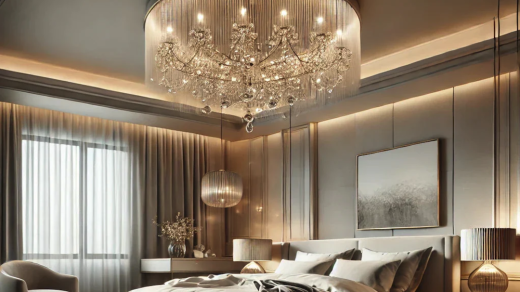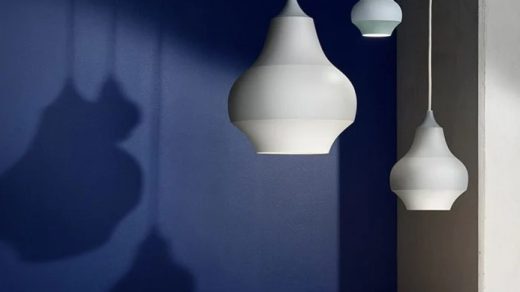
This article examines elegant antique lantern ceiling lights, focusing on their application in hall entrances. These fixtures are more than mere illumination devices; they are architectural elements that can significantly influence a space’s aesthetic and character. The integration of antique lantern ceiling lights in modern or renovated hall entrances requires consideration of historical context, design principles, material choices, and practical aspects of installation and maintenance.
The evolution of lighting Loxtonlighting fixtures, particularly those resembling lanterns, is intertwined with advancements in illumination technology and changing domestic architectural styles. The early forms of lanterns, dating back centuries, were primarily functional, designed to shield flames from wind and illuminate dark interiors.
Early Lantern Designs
Initially, lanterns were crafted from materials such as horn, metal, and glass. Their forms were often simple, prioritizing practicality over ornamentation. These early designs served a crucial purpose in residential and public spaces, providing a portable and manageable source of light. The basic principle of enclosing a light source for protection and directional focus remains a cornerstone of lantern design.
The Advent of Gas and Electric Lighting
The 19th century brought significant changes with the advent of gas lighting. This period saw the development of more elaborate and decorative lantern-style fixtures, often featuring intricate metalwork and cut or colored glass. The transition to electric lighting in the late 19th and early 20th centuries further propelled this evolution, allowing for greater complexity in design and a wider range of materials. Electric bulbs offered a cleaner, safer, and more consistent light source, enabling designers to create lanterns that were both functional and aesthetically refined.
Revival in Interior Design
In contemporary interior design, antique lantern ceiling lights represent a deliberate choice to imbue a space with a sense of history and curated elegance. They are not simply reproductions but often genuine antique pieces or high-quality replicas that capture the spirit of bygone eras. Their presence in a hall entrance acts as a preamble to the rest of the home, setting a tone and welcoming guests with a touch of timeless grace.
Aesthetic Appeal and Architectural Integration
The aesthetic appeal of antique lantern ceiling lights lies in their ability to blend historical charm with functional illumination. Their integration into hall entrances is a strategic design decision that can transform a transitional space into a focal point.
Materiality and Craftsmanship
Authentic antique lanterns are often characterized by the quality of their materials and the craftsmanship evident in their construction.
Brass and Bronze
Brass and bronze were common materials for antique lanterns due to their durability and malleability, allowing for intricate detailing. Over time, these metals develop a patina that adds to their character and depth. This natural aging process is often a desirable feature for those seeking an authentic antique look. The warm tones of brass and bronze can complement a variety of interior color palettes, creating an inviting atmosphere.
Glass Elements
The glass used in antique lanterns varied, including clear, frosted, etched, or colored panes. The type of glass influences the quality and diffusion of light. Frosted or textured glass, for instance, can soften the light, creating a more ambient glow, while clear glass offers a more direct illumination. Intricate etched patterns or colored panels can add a decorative dimension, transforming the light into an artistic statement.
Iron and Steel
While less common for highly decorative pieces, iron and steel were also employed in the construction of functional lanterns. These materials often contribute to a more rustic or industrial aesthetic, depending on the design. When incorporated into ceiling lights for hall entrances, they can provide a robust and grounded presence.
Scale and Proportion
The appropriate scale and proportion of a lantern ceiling light are crucial for its successful integration into a hall entrance.
Matching the Entrance Size
A grand, double-height entrance might accommodate a larger, more elaborate lantern, while a modest vestibule would benefit from a more modestly sized fixture. An oversized lantern in a small space can appear overwhelming, while a diminutive fixture in a larger area may seem lost and insufficient in terms of both light and visual impact. The lantern should feel like a natural extension of the architectural proportions of the space.
Visually Balancing the Space
The weight and visual presence of the lantern should also be considered in relation to other architectural features, such as doorways, staircases, or console tables. A well-chosen lantern will balance these elements, contributing to an overall sense of harmony. It acts as a visual anchor, drawing the eye and directing attention without overpowering other decorative elements.
Style Period Adherence
Many antique lantern ceiling lights are representative of specific design periods, such as Victorian, Art Deco, or Arts and Crafts.
Victorian Elegance
Victorian-era lanterns often feature ornate detailing, heavy metalwork, and a profusion of glass embellishments, reflecting the era’s opulence.
Art Deco Geometry
Art Deco lanterns, in contrast, tend to exhibit geometric patterns, streamlined forms, and often incorporate materials like chrome and frosted glass.
Arts and Crafts Simplicity
The Arts and Crafts movement favored natural materials, handcrafted elements, and a focus on utility. Lanterns from this period might showcase simpler lines and wood accents. Selecting a lantern that aligns with the existing architectural style of the home, or the desired aesthetic for the entrance, is key to achieving a cohesive look.
Functionality and Illumination in Hall Entrances
Beyond their decorative qualities, antique lantern ceiling lights serve a vital practical purpose in providing illumination for hall entrances. The effectiveness of this illumination depends on the type of light source, the design of the lantern, and its placement.
Light Source Considerations
The transition from flame-based illumination to electricity has significantly impacted the functionality of lantern lights.
Incandescent vs. LED
While original antique lanterns were designed for gas or early incandescent bulbs, modern adaptations often utilize energy-efficient LED bulbs. LED technology offers a longer lifespan, reduced energy consumption, and a wider range of color temperatures. Choosing an appropriate LED bulb allows for the replication of the warm glow often associated with traditional lighting while benefiting from modern efficiencies. The color temperature of the bulb is particularly important, as a warmer tone (lower Kelvin) can enhance the antique feel.
Dimmable Options
The ability to dim a lantern ceiling light is a significant advantage in a hall entrance. Dimmable fixtures allow for control over the ambiance, enabling a brighter illumination for practical needs, such as searching for keys, and a softer glow for a more welcoming and intimate atmosphere. This flexibility transforms the entrance from a purely functional space into one that can adapt to different times of day and moods.
Light Distribution and Quality
The way a lantern distributes light is inherently linked to its design and the materials used in its construction.
Direct vs. Diffused Light
Some antique lantern designs, particularly those with clear glass panels, can cast direct light, which might be useful for task lighting. However, for a welcoming entrance, diffused or softened light is often preferred. Lanterns with frosted, etched, or colored glass panels tend to diffuse the light, creating a gentler and more spread-out illumination, reducing harsh shadows and contributing to a more inviting atmosphere.
Creating Ambiance
The primary role of lighting in an entrance hall is often to create a welcoming ambiance. Antique lantern ceiling lights, with their inherent charm and often warm light output, are well-suited to this task. They can transform a potentially utilitarian space into an extension of the home’s living areas, setting a tone of comfort and hospitality. The gentle illumination can act as a warm handshake for arriving guests.
Placement and Beam Angle
The correct placement and consideration of the lantern’s beam angle are essential for optimal lighting.
Central Placement
Traditionally, ceiling lights are placed centrally within a room or hallway. In a hall entrance, this central placement can draw the eye upwards and create a focal point, anchoring the space. The height of the ceiling will influence the optimal size and suspension length of the lantern.
Illuminating Specific Areas
Depending on the layout of the hall entrance, a single central lantern may be sufficient. However, in larger or more complex spaces, additional lighting might be necessary to illuminate specific areas, such as a console table or a seating area. The beam angle of the lantern, or the choice of bulbs, can be used to direct light where it is most needed, ensuring no dark corners detract from the overall ambiance.
Contemporary Applications and Styling
The enduring appeal of antique lantern ceiling lights has led to their integration into a wide range of contemporary interior design schemes. While they inherently carry a sense of history, their styling in modern contexts requires careful thought to avoid an anachronistic or overly cluttered appearance.
Transitional Design Schemes
Transitional design bridges the gap between traditional and contemporary styles. Antique lantern ceiling lights are particularly well-suited to these schemes, offering a touch of historical depth without appearing out of place.
Harmonizing Old and New
In a transitional entrance hall, an antique lantern can serve as a statement piece that is balanced by more modern furniture, finishes, and accessories. For example, a classic brass lantern might be paired with a sleek console table and minimalist artwork. The key is to find elements that complement rather than clash, creating a curated and layered aesthetic.
Creating a Focal Point
A well-chosen antique lantern can act as a natural focal point, drawing the eye and adding character to an otherwise neutral space. Its unique design and historical provenance can spark conversation and lend a personal touch to the home’s entrance. It’s like a well-placed period novel on a modern bookshelf – adding depth and narrative.
Modern Eclectic Interiors
Modern eclectic interiors embrace a bold and personalized approach to design, often mixing and matching elements from different eras and styles. Antique lantern ceiling lights can be a valuable addition to such spaces, contributing to their unique character.
Juxtaposing Styles
In an eclectic hall entrance, an antique lantern might be placed amongst contemporary art, mid-century modern furniture, or even industrial-inspired elements. The contrast can be striking and visually dynamic, provided there is an underlying sense of intentionality and balance. The success lies in the deliberate curation of these disparate elements.
Adding Warmth and Texture
The materials and craftsmanship of antique lanterns can introduce warmth and texture to a modern eclectic space, which might otherwise feel sterile or overly minimalist. The patina of aged metal or the character of antique glass can provide a grounding and authentic counterpoint to sleek, modern finishes.
Unexpected Placements and Combinations
The application of antique lantern ceiling lights is not limited to traditional hall entrances. They can be creatively employed in other areas or combined with unexpected elements for a striking effect.
In Smaller Vestibules
Even in compact vestibules, a carefully selected antique lantern can make a significant impact. Opting for a slightly smaller scale or a more delicate design can ensure it doesn’t overwhelm the space. It can become a miniature jewel box, illuminating the entryway with charm.
With Minimalist Decor
Pairing an ornate antique lantern with minimalist decor can create a compelling visual tension. The richness of the lantern’s design is amplified by the simplicity of its surroundings, making it a particularly impactful statement piece.
Choosing and Maintaining Antique Lantern Ceiling Lights
Selecting and maintaining antique lantern ceiling lights requires a discerning eye and a practical approach to ensure both their aesthetic integrity and their functional longevity.
Sourcing Authentic Pieces
The market for antique lighting offers a range of options, from genuine antique finds to high-quality reproductions.
Antique Dealers and Auctions
Reputable antique dealers and well-regarded auction houses are primary sources for authentic antique lanterns. These avenues often provide a degree of assurance regarding the item’s provenance and condition. It is advisable to consult with dealers known for their expertise in lighting or architectural salvage.
Online Marketplaces
While online marketplaces can offer a wider selection and potentially more competitive pricing, caution is advised. Thorough research into the seller’s reputation, detailed examination of product images, and understanding return policies are crucial. Asking for specific details about the materials, construction, and any restoration work is also recommended.
Reproductions and Replicas
For those who admire the aesthetic of antique lanterns but prefer the reliability and safety features of modern fixtures, high-quality reproductions are available. These are often made with similar materials and design principles, offering a period-appropriate look with contemporary electrical components. It is important to distinguish between a mere imitation and a faithful replica that honors the original design.
Inspection and Restoration Considerations
When acquiring an antique lantern, a thorough inspection is essential.
Structural Integrity
Examine the lantern for any loose joints, corroded metal, or damaged glass. The electrical wiring should be assessed by a qualified electrician to ensure it meets current safety standards. Rewiring is often a necessary step for older fixtures.
Patina and Finish
The patina of antique metal is often a desirable feature, representing age and character. Ancak, if the patina is uneven, heavily tarnished, or showing signs of corrosion, professional restoration might be considered. However, aggressive cleaning can remove the historical depth of the metal.
Glass Condition
Inspect glass panels for chips, cracks, or significant clouding. While minor imperfections can add to an antique’s charm, significant damage might necessitate replacement, with an effort to source period-appropriate glass.
Installation and Electrical Safety
The installation of any ceiling light, particularly an antique one, must adhere to safety regulations.
Professional Installation
It is highly recommended to have antique lantern ceiling lights installed by a qualified electrician. They can ensure the fixture is securely mounted, properly wired, and grounded, mitigating any potential electrical hazards. This is particularly important when dealing with older fixtures that may have outdated wiring or mounting systems.
Load Capacity
Ensure the ceiling structure can support the weight of the lantern. Heavy antique fixtures may require additional bracing or a specialized mounting box. The electrician can advise on the appropriate mounting hardware.
Ongoing Maintenance
Regular cleaning and maintenance will preserve the beauty and functionality of the lantern.
Dusting and Cleaning
Gently dust the fixture regularly with a soft cloth. For more thorough cleaning, use a mild, non-abrasive cleaner appropriate for the metal type, following the manufacturer’s or restorer’s recommendations. Avoid harsh chemicals that can damage the patina or finish.
Bulb Replacement
When replacing bulbs, ensure they are the correct wattage and type to avoid overheating the fixture. For LED bulbs, choose those with appropriate color temperatures for the desired ambiance.
Conclusion: A Welcoming Touchstone
Elegant antique lantern ceiling lights for hall entrances offer a unique combination of historical significance, aesthetic appeal, and functional illumination. They serve as more than just light sources; they are curated pieces that speak to a home’s character and a resident’s taste. Whether incorporating genuine antiques or high-quality replicas, the careful consideration of their design, materials, scale, and integration into the overall architectural context is paramount.
The transition from purely functional lighting to decorative and atmospheric illumination that antique lanterns represent aligns with a growing desire in interior design to imbue spaces with narrative and personality. Their ability to bridge the gap between past and present, and to transform a transitional zone like a hall entrance into a welcoming preamble, solidifies their enduring appeal. By understanding their historical context, appreciating their craftsmanship, and applying them with thoughtful consideration, these fixtures can indeed become touchstones of elegance and hospitality within the home.