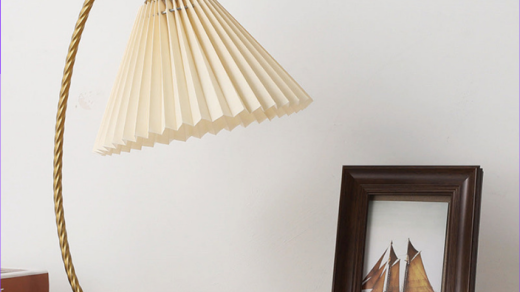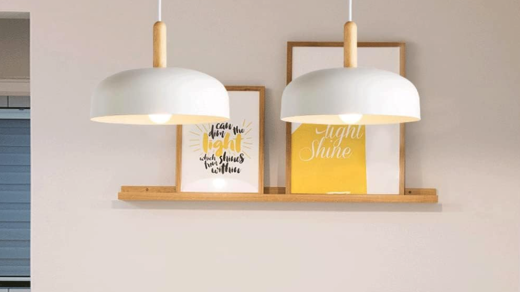
Outdoor dining spaces can be enhanced with the strategic installation of solar pendant lighting. This type of lighting fixture utilizes solar energy for illumination, making it an environmentally friendly and cost-effective option for extending the usability of a garden or patio into the evening. The selection and placement of these lights can transform a functional outdoor area into an inviting and atmospheric setting.
Solar pendant lights Seanoon are self-contained lighting units that capture sunlight during the day and convert it into electrical energy, storing it in a rechargeable battery. This stored energy is then used to power LED bulbs when darkness falls.
Components of a Solar Pendant Light
A typical solar pendant light comprises several key components, each contributing to its functionality.
Solar Panel
The solar panel, usually located at the top of the fixture or on a separate mounted unit, is responsible for absorbing solar radiation. The efficiency of the panel, measured in watts, dictates how quickly and effectively it can charge the battery. Different panel types, such as monocrystalline or polycrystalline, offer varying levels of performance and cost.
Rechargeable Battery
This component stores the energy generated by the solar panel. The capacity of the battery, typically measured in milliampere-hours (mAh), determines how long the light can operate on a single charge. Battery life is a crucial factor in the overall reliability of the lighting system.
LED Bulb
The light source in most solar pendant fixtures is an LED (Light Emitting Diode) bulb. LEDs are chosen for their energy efficiency, longevity, and brightness compared to traditional incandescent bulbs. The color temperature of the LED, measured in Kelvin, influences the ambiance of the illuminated space, with warmer tones generally preferred for outdoor dining areas.
Casing and Fixture Design
The casing protects the internal components from the elements. Materials commonly used include durable plastics, metal alloys, and glass. The design of the fixture itself plays a significant role in both its aesthetic appeal and its light dispersal characteristics.
Principles of Solar Energy Conversion
The operation of solar pendant lights is rooted in the photovoltaic effect.
Photovoltaic Effect
When photons from sunlight strike a semiconductor material in the solar panel, they excite electrons, creating an electric current. This direct current (DC) is then regulated and used to charge the internal battery.
Energy Storage and Discharge
During daylight hours, the solar panel continuously converts sunlight into energy, replenishing the battery. As darkness descends, a sensor or timer activates the LED, drawing power from the stored energy in the battery. The duration of illumination is thus directly proportional to the amount of sunlight the panel received and the capacity of the battery.
Benefits of Enhancing Garden Dining with Solar Pendant Lighting
The integration of solar pendant lighting into garden dining areas offers several practical advantages.
Cost Savings and Environmental Impact
One of the primary benefits is the reduction in electricity consumption.
Reduced Electricity Bills
By harnessing solar power, these lights eliminate the need for wired electrical connections, thereby saving on utility costs. This can be particularly impactful for larger outdoor spaces or for those who frequently use their garden for dining.
Sustainable Illumination
The use of renewable solar energy contributes to a reduced carbon footprint. This aligns with growing consumer interest in eco-friendly home improvement solutions.
Ease of Installation and Flexibility
Solar pendant lights bypass the complexities associated with traditional wiring.
Wireless Installation
The absence of electrical cords simplifies the installation process significantly. Lights can be hung from pergolas, tree branches, or dedicated poles without requiring an electrician or significant structural modifications.
Portable and Adaptable Designs
Many solar pendant lights are designed for easy repositioning. This allows users to adapt the lighting scheme as needed, whether for a specific event or to accommodate seasonal changes in garden layout.
Creating Ambiance and Enhancing Aesthetics
Beyond their functional purpose, these lights contribute to the overall atmosphere of an outdoor dining space.
Soft and Ambient Lighting
The diffused light from many pendant fixtures can create a warm and inviting glow, setting a relaxed mood for evening meals. The quality of light is often perceived as less harsh than that of direct overhead lighting.
Visual Appeal
The fixtures themselves can act as decorative elements during the day, adding an architectural touch to the garden. Their design options range from rustic lantern styles to more modern, minimalist aesthetics.
Strategic Placement for Optimal Lighting and Ambiance
Where solar pendant lights are positioned is critical for both their functionality and the desired atmosphere.
Illuminating the Dining Area
The primary goal is to provide sufficient light for dining without creating glare or shadows.
Direct Illumination over the Table
Hanging lights directly above the dining table ensures that food and conversation are clearly visible. The height of the fixtures should be considered to avoid low-hanging obstructions. A common recommendation is to hang them approximately 30-36 inches above the table surface.
Creating Zones of Light
Multiple pendant lights can be used to define the dining area, creating a distinct zone of light within the larger garden space. This can prevent the entire garden from being over-illuminated, maintaining a more intimate feel.
Highlighting Garden Features
Solar pendant lights can also be used to draw attention to specific elements of the garden.
Accent Lighting for Architectural Elements
Features such as pergolas, arbors, or gazebos can be beautifully illuminated, adding depth and visual interest to the nightscape.
Illuminating Pathways and Transitions
Strategically placed lights can also guide guests along garden paths, enhancing safety and creating a sense of discovery as they move through the space.
Considerations for Solar Panel Exposure
The effectiveness of the lighting is directly linked to the charging capabilities of the solar panel.
Maximizing Sunlight Exposure
Solar panels require direct sunlight to charge effectively. Areas that receive at least 6-8 hours of direct sunlight per day are ideal for mounting the panels. Obstructions such as trees or buildings should be noted.
Seasonal Adjustments
In regions with distinct seasons, the angle and position of the solar panel may need to be adjusted to optimize sunlight capture throughout the year. For instance, lower sun angles in winter might require a different panel orientation.
Types of Solar Pendant Lights for Garden Dining
The market offers a variety of solar pendant lights, each suited to different aesthetic preferences and functional needs.
Traditional Lantern Styles
These fixtures evoke a sense of classic charm and are often favored for more rustic or traditional garden designs.
Material Variations
Lanterns are available in materials such as metal (bronze, wrought iron, copper), wood, and glass. The finish and color of the metal can significantly impact the overall aesthetic.
Ambiance Creation
The diffused light from a lantern, often through seeded or frosted glass, creates a soft, inviting glow that is conducive to relaxed dining.
Modern and Contemporary Designs
For gardens with a more minimalist or modern aesthetic, sleek and contemporary pendant lights are available.
Clean Lines and Geometric Shapes
These designs often feature simple geometric forms, polished metal finishes, or clear glass for a sophisticated look.
Integrated LED Technology
Many modern fixtures seamlessly integrate LED technology, offering bright, efficient illumination with a minimalist visual footprint.
String Lights with Pendant Accents
A popular option for creating a festive and layered lighting effect involves using solar string lights that incorporate pendant-style bulbs.
Versatile Coverage
These lights can be draped across pergolas, fences, or trees, providing a widespread wash of light.
Focal Point Pendants
The pendant elements within the string can act as subtle focal points, adding decorative flair without overwhelming the overall design.
Maintenance and Longevity of Solar Pendant Lighting
Proper care ensures that solar pendant lights function effectively and maintain their aesthetic appeal over time.
Cleaning and Care
Regular cleaning is essential for optimal performance.
Cleaning Solar Panels
Dust, pollen, and bird droppings can accumulate on solar panels, reducing their efficiency. Gently wiping the panels with a damp cloth is usually sufficient. Avoid abrasive cleaners that could scratch the surface.
Cleaning Fixture Components
The glass or plastic lenses of the light fixture should also be cleaned periodically to ensure maximum light output. The external casing can be wiped down with a mild soap and water solution.
Battery Management and Replacement
The rechargeable battery is a consumable component that will eventually require replacement.
Monitoring Battery Performance
Signs of a degrading battery include shorter illumination times or the light failing to come on consistently.
Battery Replacement Procedures
Most solar pendant lights allow for easy battery replacement. Checking the manufacturer’s instructions for the correct battery type and capacity is important.
Protecting Against Weather and Seasonal Changes
While designed for outdoor use, some precautions can extend the lifespan of the lights.
Winterization Techniques
In regions with harsh winters, it may be advisable to remove the lights and store them indoors to protect them from extreme temperatures and moisture.
Secure Mounting
Ensuring that fixtures are securely mounted is crucial to prevent damage from strong winds.
By thoughtfully selecting and strategically placing solar pendant lighting, you can transform your garden dining area into a functional and enchanting space that can be enjoyed long after the sun has set. The combination of practicality, environmental consciousness, and aesthetic enhancement makes this lighting solution a compelling choice for any homeowner looking to elevate their outdoor living experience.