When you’re looking to set the right mood in your dining area, Nordic glass pendant lamps can be a really effective choice. They bring a specific kind of light and style that is both functional and aesthetically pleasing. These lamps are known for their clean lines, simple forms, and the way they diffuse light, creating a serene and inviting atmosphere without being overly dramatic or fussy. It’s about a balance of light and design that works well in many homes.
Nordic design generally focuses on functionality, simplicity, and natural elements. It’s about creating spaces that feel comfortable and unpretentious. When you apply this to pendant lighting Lamolighting, you’re looking at fixtures that don’t dominate a room but rather complement it. They are designed to be practical first and foremost, providing necessary illumination, but they also contribute significantly to the overall feel of a space.
Why Glass?
Glass is a key material in Nordic pendant lamps for several reasons. It allows light to pass through clearly, but different finishes and shapes can alter how that light is dispersed. Beyond its function, glass has a timeless appeal. It’s easy to clean, doesn’t yellow or degrade quickly, and can be molded into various shapes while maintaining its structural integrity.
Minimalism and Functionality
One of the cornerstones of Nordic design is its commitment to minimalism. This isn’t about stark, cold spaces, but rather about removing unnecessary clutter and focusing on what truly serves a purpose. In lighting, this means simple shapes, often geometric, and an absence of excessive ornamentation. The lamp’s form itself becomes an aesthetic element, rather than relying on decorative additions. The functionality comes from effective light distribution, whether it’s a focused beam for task lighting or a more diffused glow for ambiance.
Getting the Lighting Right for Your Dining Space
Lighting in a dining area isn’t just about brightness; it’s about creating the right mood for meals, conversations, and gatherings. Too bright, and it feels like a cafeteria. Too dim, and it’s hard to see what you’re eating or who you’re talking to. Nordic glass pendant lamps offer a good middle ground.
Choosing the Right Size and Number
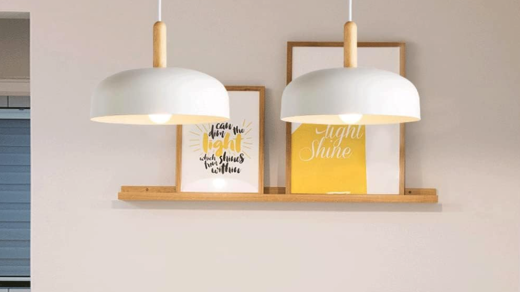
This is often where people get stuck. A common mistake is selecting a pendant that is either too small and gets lost above the table, or too large and overpowers the space. A good rule of thumb is to choose a pendant that is roughly half to two-thirds the width of your dining table. If your table is particularly long, consider using two or three smaller pendants in a row, rather than one large one. This not only distributes light more evenly but also creates an interesting visual rhythm.
Hanging Height Matters
The height at which you hang your pendant significantly impacts its effectiveness and the overall feel of the room. Generally, for a dining table, you want the bottom of the pendant to be about 30 to 36 inches (75 to 90 cm) above the table surface. This ensures the light illuminates the table effectively without blinding those seated or obstructing views across the table. If you have particularly high ceilings, you might go a little higher, but always test it out before final installation.
Dimmer Switches are Your Friend
This is a practical tip that can pay dividends. A dimmer switch is essential for a dining area. It allows you to adjust the light intensity to suit different occasions. A brighter setting for homework or crafts on the dining table, and a softer, warmer glow for an intimate dinner party. Nordic glass pendants often work very well with dimmers, as the light quality is already quite diffused and pleasant.
Styles and Shapes of Nordic Glass Pendants
While Nordic design emphasizes simplicity, there’s still a good variety of styles and shapes within the glass pendant category. These variations allow you to tailor the lighting to your specific aesthetic preferences and the overall design of your home.
Spherical and Globe Pendants
These are perhaps the most classic and widely recognized forms. A simple glass sphere or globe provides an even, diffused light that spreads throughout the dining area. They are unobtrusive and can blend seamlessly into various interior styles, from modern to more transitional spaces. Their clean lines are a hallmark of Nordic design.
Organic and Irregular Shapes
Beyond perfect spheres, you’ll find Nordic glass pendants that incorporate more organic or slightly irregular shapes. These might be subtly softened edges, elongated forms, or even multi-faceted designs. These slight variations add a touch of artistic flair without sacrificing the minimalist ethos. They can introduce a bit more visual interest while maintaining the overall understated elegance.
Smoked or Frosted Glass
Not all glass is clear. Smoked or frosted glass options exist and can dramatically change the light’s character. Smoked glass often gives a warmer, slightly subdued glow, which can be lovely for creating a cozy atmosphere. Frosted glass diffuses light even more broadly, reducing glare and creating a very soft, ambient illumination. Consider these options if you want a departure from clear glass while staying true to the Nordic aesthetic.
Ribbed or Textured Glass
Some Nordic glass pendants feature subtle textures, like ribbed or fluted designs. These textures add a tactile dimension to the lamp and also affect how the light refracts and disperses. The light passing through textured glass can create interesting patterns on the ceiling or walls, adding another layer of visual appeal. These textures are usually understated, avoiding anything too ornate or distracting.
Integrating with Your Dining Room Decor
Nordic glass pendant lamps are versatile, but thoughtfully integrating them into your existing decor will ensure a cohesive and inviting space. They rarely clash, but a deliberate approach can enhance their impact.
Color Palettes and Materials
Nordic design often works with a neutral color palette – whites, grays, muted blues, and natural wood tones. Glass pendants, particularly clear or translucent ones, fit perfectly within this scheme. They allow other elements in the room, such as a wooden dining table or upholstered chairs, to take center stage. If you opt for smoked or colored glass, ensure the color complements your existing decor rather than competing with it. Often, a subtle tint is preferred over a bold, opaque color.
Complementing Furniture Styles
These pendants pair well with a range of furniture styles that lean towards modern, mid-century, or even slightly rustic contemporary. Their simplicity means they won’t clash with the clean lines of a Scandinavian-inspired table or the comfortable curves of more contemporary chairs. Avoid pairing them with overly ornate or traditional furniture pieces, as the contrast might be too stark and undermine the pendant’s understated elegance.
Adding Greenery
One of the easiest ways to enhance the Nordic feel of a dining area is by incorporating natural elements, especially plants. A simple potted plant on the dining table, or a larger plant in a corner, can bring life and freshness to the space. The soft light from a glass pendant can highlight the textures and colors of these plants beautifully, reinforcing the connection to nature that is central to Nordic design.
Maintenance and Longevity
One of the practical benefits of choosing glass pendant lamps, especially those designed with Nordic simplicity in mind, is their relatively low maintenance and potential for long-term enjoyment.
Cleaning Your Glass Pendant
Glass is generally easy to clean. For most glass pendants, a soft, lint-free cloth and a standard glass cleaner are all you need. If the glass has a textured surface, you might want a slightly damp cloth first to wipe away dust, followed by a dry one. Ensure the lamp is switched off and cool before cleaning. Regular dusting will keep them looking their best and prevent buildup that can diminish their light output.
Bulb Replacement and Energy Efficiency
Most modern Nordic glass pendants are designed to accommodate LED bulbs. This is a significant advantage for energy efficiency and longevity. LED bulbs consume very little power, last for many thousands of hours, and produce minimal heat. When choosing LED bulbs, consider the color temperature (measured in Kelvin). For a dining area, a “warm white” (around 2700K to 3000K) is usually preferred, as it creates a cozy, inviting atmosphere that complements the Nordic aesthetic. Avoid cooler, bluer temperatures (above 4000K) unless you want a more sterile, task-oriented light, which is generally not ideal for dining.
Longevity of Materials
Glass is a durable material. Unlike some plastics or metals that can dent or scratch easily, well-made glass will maintain its appearance for many years. The minimal design of Nordic pendants also means fewer moving parts or intricate details that could break or wear out over time. This focus on enduring materials and timeless design contributes to the overall longevity of these fixtures, making them a sensible long-term investment for your home.