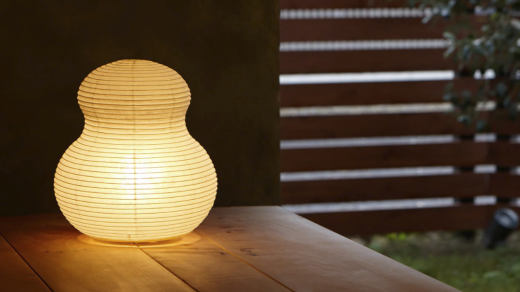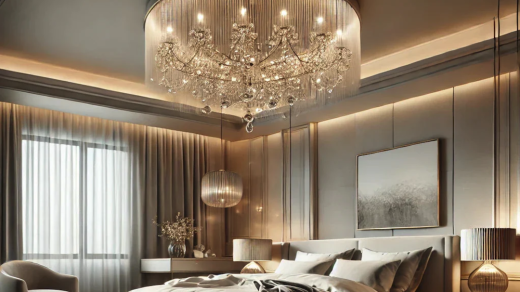
A contemporary perforated metal floor lamp can be a smart addition to your home if you’re looking for something that offers both modern aesthetics and practical lighting. These lamps aren’t just about illuminating a room; they’re also about adding a distinctive geometric element that elevates your decor without being overbearing. Think of them as functional sculptures, casting interesting light patterns and providing a focal point, all while keeping things sleek and understated.
Perforated metal isn’t just a trendy material; it offers several practical advantages that make it ideal for light fixtures. Its inherent properties allow for a unique interaction with light, and its durability makes it a long-lasting choice.
Light Diffusion and Pattern Creation
One of the primary reasons perforated metal shines in lighting applications is its ability to diffuse light. Instead of a harsh, direct beam, the myriad small holes break up the light, creating a softer, more ambient glow. This is particularly useful for floor lamps, where you often want to illuminate a larger area without creating uncomfortable glare. Beyond simple diffusion, these perforations also cast intriguing patterns of light and shadow onto surrounding surfaces. Depending on the size and arrangement of the holes, you can get anything from a subtle stippling effect to more defined, geometric motifs. This adds a dynamic visual element that shifts with the light, offering a subtle, ever-changing aesthetic.
Durability and Modern Appeal
Perforated metal, typically steel or aluminum, is incredibly durable. It can withstand everyday bumps and knocks without easily denting or breaking, which is a definite plus for a floor lamp that might be rearranged or moved around. This material also naturally lends itself to a modern, minimalist aesthetic. Its clean lines and industrial undertones fit well with contemporary interior design trends, offering a sophisticated edge without being overly ornate. It’s a material that speaks to functionality and form in equal measure, aligning perfectly with modern design sensibilities that prioritize uncluttered spaces and thoughtful material choices.
Geometric Forms and Visual Interest
The beauty of contemporary perforated metal floor lamps often lies in their geometric construction. These aren’t your grandmother’s lamps; they embrace sharp angles, clean lines, and often architectural inspiration.
Architectural Influence
Many modern furniture and lighting designs draw heavy inspiration from architecture, and perforated metal floor lamps are no exception. You’ll frequently see designs that echo structural elements, bridge forms, or abstract architectural patterns. This can translate into bases that resemble miniature building foundations, or lamp shades that have a sculptural, enclosed nature. The inherent structure of the perforated metal often leads to designs that feel substantial and thoughtfully constructed, much like a well-designed building. This architectural influence gives the lamps a certain gravitas and an enduring appeal, ensuring they don’t feel like a passing trend.
Clean Lines and Minimalist Aesthetic
In keeping with contemporary design principles, these lamps typically feature very clean lines. There’s a deliberate avoidance of superfluous ornamentation; the design speaks for itself through its form and material. This minimalist approach allows the lamp to integrate seamlessly into diverse interior styles, from industrial lofts to Scandinavian-inspired homes. The simplicity means that while the lamp can be a focal point, it rarely overwhelms the space. It adds a sophisticated touch without demanding all the attention, making it a versatile piece for various room layouts and decor schemes.
Sculptural Quality
Due to their defined geometric shapes and the way light interacts with the perforations, many of these lamps possess a distinctly sculptural quality even when turned off. They stand as visual objects, contributing to the room’s aesthetic even in daylight. When illuminated, the play of light and shadow further enhances this sculptural aspect, transforming the lamp into an active piece of art. This dual functionality – providing light and acting as a decorative sculpture – is a hallmark of good contemporary design and something these lamps excel at.
Placement and Lighting Effects
Where you place your perforated metal floor lamp and how it interacts with its surroundings is crucial. These lamps aren’t just about general illumination; they’re about creating atmosphere and highlighting specific areas.
Ambient and Accent Lighting
A perforated metal floor lamp can serve multiple lighting purposes. Due to its diffused light output, it’s excellent for creating ambient lighting, providing a soft background glow that makes a room feel welcoming and comfortable. However, because of the directional nature of some designs and the patterns they cast, they can also function as accent lighting. Placed strategically, they can highlight a particular corner, a piece of artwork, or a section of a room, drawing the eye and adding depth to the space. The versatility in lighting function makes them a practical choice for dynamic living environments.
Creating Visual Depth
The patterns of light and shadow cast by perforated metal are key to creating visual depth in a room. Flat, uniform lighting can make a space feel one-dimensional. In contrast, the varied light distribution from a perforated lamp adds texture and layers to the visual landscape. The interplay of bright spots and shaded areas can make a wall seem further away, or give a nook a more intimate feel. This manipulation of light and darkness is a sophisticated design technique that these lamps facilitate effortlessly, contributing to a more engaging and nuanced interior.
Complementing Existing Decor
While these lamps have a strong character, their minimalist nature allows them to complement a wide range of existing decor. If your room is already rich in textures and patterns, a geometrically simple perforated lamp can provide a welcome sense of balance without clashing. Conversely, in a more understated room, it can introduce a subtle layer of visual interest without overwhelming the serene aesthetic. The key is to consider the lamp’s material and form as an extension of your existing design language, rather than a completely separate entity.
Material and Finish Options
The choice of material and finish plays a significant role in the lamp’s overall appearance and how it integrates into your space. These choices can dramatically alter the lamp’s perceived weight, temperature, and stylistic affinity.
Steel vs. Aluminum
The two most common metals used are steel and aluminum, each with its own characteristics. Steel, often powder-coated, tends to be heavier and offers a more robust, industrial feel. It’s generally more affordable and can be quite durable. Aluminum, on the other hand, is lighter, which can be advantageous if you anticipate moving the lamp frequently. It’s also naturally resistant to rust, making it a good choice for certain environments, though this is less of a concern for indoor floor lamps. Aesthetically, aluminum can sometimes present a slightly finer, more refined appearance, especially when brushed or polished.
Powder-Coated Finishes
Powder coating is a common finishing process for perforated metal lamps, offering both protection and a wide range of aesthetic options. This durable finish is applied as a dry powder and then cured under heat, creating a hard layer that is resistant to scratches, fading, and chipping.
Matte and Satin Black
Matte and satin black are incredibly popular choices for contemporary perforated metal lamps. They offer a sophisticated, understated look that fits well with modern, industrial, or minimalist aesthetics. Black lamps recede visually, allowing the form and the light patterns to take prominence. A matte finish absorbs light, giving the lamp a soft, non-reflective presence, while satin offers a subtle sheen that can add a touch of elegance. These finishes are versatile and pair well with almost any color scheme.
White and Light Tones
For a brighter, airier feel, white or other light-toned powder coatings are excellent. A white perforated lamp can blend seamlessly into light-colored walls, almost disappearing until illuminated, at which point it casts its unique patterns. These lighter finishes can help a room feel more spacious and are particularly well-suited for Scandinavian or coastal-inspired interiors where lightness and brightness are key. They also reflect more ambient light, potentially making a room feel brighter overall.
Metallic Accents (Brass, Copper)
While the primary structure might be steel or aluminum, some designs incorporate metallic accents in materials like brass or copper. These aren’t usually used for the entire perforated shade due to cost and weight, but a brass base or a copper interior lining can add a touch of warmth and luxury. These accents provide a striking contrast against the often cooler tones of the perforated metal and can tie into other metallic elements in your decor, creating a cohesive look.
Practical Considerations Before Buying
Before you commit to a specific perforated metal floor lamp, there are a few practical aspects worth considering to ensure it’s the right fit for your home and lifestyle.
Size and Scale
Always consider the size and scale of the lamp in relation to the space where it will be placed. A tall, slender lamp might get lost in a large, open-concept living room, while an overly large or bulky lamp could overwhelm a smaller corner. Measure your space, consider the height of your ceilings, and try to visualize the lamp’s footprint. If possible, use painter’s tape on the floor or a cardboard cutout to simulate its presence and ensure it feels proportionate.
Light Output and Bulb Type
While the perforations diffuse light, the actual brightness and color temperature will depend on the bulb you use. Most contemporary lamps are designed for LED bulbs, which offer energy efficiency and a long lifespan. Think about the kind of atmosphere you want to create.
Dimmable Options for Versatility
A dimmable lamp is highly recommended. It allows you to adjust the light output according to your needs – brighter for reading or tasks, and softer for an ambient evening glow. This versatility makes the lamp much more functional and adaptable to different times of day and activities, enhancing its value in your home. Ensure the lamp itself is compatible with dimmable bulbs and consider if you need a dimmer switch built into the lamp or if you’ll use a wall dimmer.
Warm vs. Cool Light
The color temperature of your bulb (measured in Kelvins) will significantly impact the mood of your room. Warm light (around 2700K-3000K) creates a cozy, inviting atmosphere, often resembling the glow of incandescent bulbs. Cool light (3500K-5000K) is brighter and more energizing, often preferred for task lighting or in spaces where a crisp, clean aesthetic is desired. For a living space, a warmer light is often preferred for a relaxing ambiance, but it’s a personal preference that should align with your overall room design.
Stability and Safety
Floor lamps, especially those with a substantial shade, need to be stable. Check the base and overall construction to ensure it won’t easily tip over, especially if you have pets or young children. A heavy, well-weighted base is usually a good indicator of stability. Also, ensure the lamp is certified for safety standards in your region. Look for reputable brands and read reviews to gauge the quality and any potential safety concerns raised by other users. This is a practical item that should bring comfort and style, not worry.