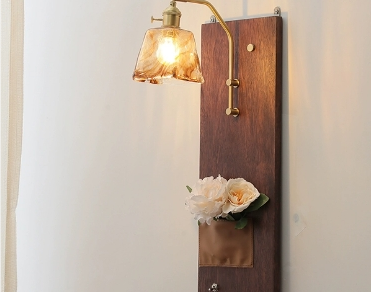
Rustic elegance in a mountain cabin often comes down to the details, and a hand-carved wood chandelier is a fantastic way to nail that aesthetic. Simply put, it’s a light fixture that’s carefully crafted from wood, usually by hand, and designed to look right at home in a cozy, rugged, yet refined mountain setting. Think less industrial, more natural artistry.
The Allure of Hand-Carved Wood
When you hear “hand-carved,” you might picture something rough and ready, and while some designs lean into that, rustic elegance is about the balance. It’s the artistry of the woodworker, the natural grain, and the thoughtful design that makes these pieces so special. They’re not just lighting; they’re sculptural elements.
More Than Just Light
A Hazliving chandelier in a cabin isn’t purely functional. It’s often the centerpiece of a living room or dining area. A hand-carved one takes that role and elevates it. It says something about the home, the homeowner, and their appreciation for craftsmanship and natural beauty.
So, why go this route instead of a more standard option? There’s a lot to it beyond just aesthetics.
Bringing Nature Indoors (Literally)
Mountain cabins are all about connecting with the outdoors. A hand-carved wood chandelier helps bridge that gap. The wood itself is a piece of nature, often reflecting the types of trees found in mountainous regions.
The Earthy Connection
When you bring natural materials indoors, there’s an inherent calming effect. Wood, with its varying textures and tones, adds warmth and grounds a space. It’s a sensory experience that metal or glass just can’t replicate in the same way.
Unique Grain and Texture
Every piece of wood is different. The grain patterns, the knots, and even small imperfections tell a story. This means your chandelier won’t just be a chandelier; it will be your chandelier, with its own unique character.
Craftsmanship and Authenticity
Machine-made items have their place, but they often lack the soul of something handmade. A hand-carved chandelier is a testament to skill and dedication.
The Human Touch
When you look at a hand-carved piece, you can often see the subtle variations, the marks of the tools, and the evidence of the artisan’s hand. This isn’t a defect; it’s a feature that adds depth and authenticity to the piece. It feels lived-in, even when it’s brand new.
Avoiding Mass Production
In a world full of mass-produced goods, choosing something hand-carved is a deliberate step away from the generic. It speaks to a preference for quality, individuality, and supporting traditional craftsmanship.
Durability and Longevity
Well-made wood pieces, especially those carved from solid timber, are built to last. With proper care, your chandelier could easily become a family heirloom.
Quality Materials
Carvers often select specific types of wood known for their strength and beauty. Oak, cherry, walnut, and even reclaimed barn wood are popular choices, all known for their resilience.
Timeless Appeal
Trends come and go, but the appeal of natural wood and artisanal craftsmanship tends to endure. A hand-carved chandelier isn’t likely to go out of style any time soon, making it a sound long-term investment for your cabin’s aesthetic.
Choosing the Right Wood for Your Chandelier
The type of wood plays a huge role in the chandelier’s look, feel, and even its durability. It’s not just about what looks good, but also what fits the cabin’s overall vibe.
Common Wood Types and Their Characteristics
There’s a broad spectrum of woods suitable for carving, each with its own defining features.
Oak: The Classic Workhorse
Oak is a popular choice for good reason. It’s strong, durable, and has a prominent grain pattern that lends itself well to rustic designs. It’s often used where a robust, sturdy look is desired. Its color can range from light to medium brown.
Walnut: Rich and Elegant
If you’re aiming for a slightly more refined rustic elegance, walnut is an excellent option. It’s known for its deep, rich brown color and beautiful, often undulating grain. It takes intricate carving well and polishes to a lovely sheen.
Cherry: Warm Tones
Cherry wood starts with a lighter reddish-brown hue and darkens to a beautiful, deep red over time, especially with exposure to sunlight. It has a finer, smoother grain than oak, offering a sophisticated warmth.
Maple: Lighter and Finer
Maple is a lighter-colored wood with a subtle, fine grain. It can be stained to a variety of shades but also looks stunning left natural for a brighter, airier feel. It’s strong and carves cleanly.
Reclaimed Wood: History and Character
For the ultimate rustic appeal, reclaimed wood (like old barn beams or salvaged timbers) is unbeatable. It comes with its own history, scars, and weathered patina that can’t be replicated. Each piece tells a story.
Finishing Touches
The finish applied to the wood significantly impacts its appearance and protection.
Natural Oil Finishes
These penetrate the wood, enhancing its natural color and grain while offering a subtle, matte or satin sheen. They allow the wood to breathe and are often preferred for a more organic, tactile feel.
Stains
Stains can alter the wood’s color, either deepening its natural hue or completely changing it to match specific design elements in your cabin. A good stain should still allow the wood grain to show through.
Clear Coats (Lacquer, Polyurethane)
These create a protective layer on the surface, offering more durability against moisture and wear. They can range from matte to high-gloss and are chosen based on the desired level of shine and protection. For a rustic look, a matte or satin finish is usually preferred.
Design Considerations for Your Rustic Chandelier
Beyond the wood itself, the actual design of the chandelier needs careful thought to ensure it complements your cabin perfectly.
Size and Scale
This is critical. A chandelier that’s too small gets lost; one that’s too large overwhelms the space.
Room Dimensions
Measure your room’s length and width, add them together, and that sum (in inches) is a good starting point for your chandelier’s diameter. For example, a 15′ x 15′ room (30 feet total) might need a 30-inch diameter chandelier. This is a general guideline, not a hard rule.
Ceiling Height
Leave enough clearance. You don’t want people bumping their heads. In a dining room, the bottom of the chandelier should typically be about 30-36 inches above the dining table. In an open living space, ensure it hangs high enough so that tall individuals can walk freely underneath.
Visual Weight
A hand-carved wood chandelier often has significant visual weight due to its material and potential bulk. Consider this in relation to other heavy elements in the room, like a stone fireplace or large timber beams.
Style and Aesthetics
“Rustic elegance” is broad. Your chandelier can lean more rustic or more elegant depending on the carving details and overall form.
Branch and Antler Motifs
These are quintessential cabin styles. Carved branches, perhaps even incorporating real antlers, create a powerful connection to the wilderness. They can range from highly realistic to more stylized interpretations.
Geometric Carvings
For a slightly more structured elegance, geometric patterns and clean lines carved into the wood can be stunning. This can lend a more refined, craftsman-style look while still utilizing the warmth of wood.
Sculptural Forms
Some carvers create truly artistic, abstract forms that use the natural curves and shapes of the wood itself as the primary design element. These pieces are often unique works of art.
Simplicity and Understated Beauty
Sometimes, the most elegant design is the simplest. A few robust lengths of beautifully finished timber, with minimal carving, can speak volumes. The beauty comes from the material itself and the expert joinery.
Lighting Elements
How the light is integrated into the carved wood structure is key for both function and aesthetics.
Exposed Bulbs
For a truly rustic feel, Edison-style bulbs with visible filaments can be integrated into the design. Their warm glow and vintage appeal complement the natural wood.
Hidden or Diffused Lighting
If you want the light itself to be softer or more ambient, consider chandeliers where the light source is partially hidden or diffused through shades made of natural materials like linen or even thin, translucent wood veneers.
Candle-Style Bulbs
These mimic the look of traditional candles, adding a touch of old-world charm that fits perfectly with a cabin aesthetic. They work well with more traditional or classic chandelier forms.
Installation and Maintenance Tips
Once you’ve chosen your perfect chandelier, getting it installed correctly and keeping it looking great are the next steps.
Professional Installation is Key
A hand-carved wood chandelier can be heavy. Don’t skimp on professional help.
Weight Considerations
The weight of a solid wood chandelier can be substantial. An electrician will ensure your ceiling box and mounting hardware are robust enough to safely support it. This often involves reinforcing the ceiling joists.
Electrical Connections
Wiring a chandelier correctly is essential for safety and function. An experienced electrician will ensure all connections are secure and up to code.
Proper Hanging Height
Discuss the ideal hanging height with your installer based on your room’s specifics. They can advise on chain length and final positioning.
Keeping Your Wood Chandelier Looking Its Best
Wood, like any natural material, benefits from a little care.
Regular Dusting
Dust can accumulate in carved crevices. Use a soft, dry cloth, a feather duster, or even a soft brush (like a clean paintbrush) to gently remove dust.
Avoiding Harsh Cleaners
Never use abrasive cleaners or harsh chemicals on wood. They can strip finishes and dry out the wood. For occasional deeper cleaning, a very slightly damp cloth (dampened with water only) followed immediately by a dry one can work, but check the finish first.
Humidity Control
Wood responds to changes in humidity. In very dry climates, a humidifier can help prevent the wood from drying out and potentially cracking. In very humid climates, ensure good ventilation to prevent swelling.
Protecting from Direct Sunlight
Prolonged exposure to direct, harsh sunlight can fade wood finishes and even dry out the wood. Consider sheer curtains or blinds if your chandelier is in a spot that gets intense sun.
Occasional Re-Finishing (Long-Term)
Many years down the line, if the finish starts to look dull or worn, a professional can often re-apply a suitable finish to restore its luster and protection.
Where to Find Your Hand-Carved Masterpiece
Finding the right piece often means looking beyond big-box stores.
Artisan Wood Carvers
Your best bet for a truly unique, high-quality, hand-carved piece is directly from an artisan.
Local Craft Markets and Galleries
If you’re near a mountainous or art-focused region, check out local craft markets or galleries. Many talented woodworkers showcase their creations there. This gives you a chance to see their work in person and discuss custom options.
Online Artisan Marketplaces
Websites like Etsy or dedicated artisan platforms host woodworkers from all over the world. You can often filter by style, material, and even specific carving techniques. Be sure to check reviews and ask for samples of their work.
Commissioning a Custom Piece
If you have a very specific vision or challenging space, commissioning a custom chandelier is an excellent option. This allows you to dictate the wood type, size, design, and finish to perfectly match your cabin’s aesthetic. Expect this to be a more significant investment in terms of both time and money.
Specialized Rustic Furniture Retailers
Some retailers focus specifically on high-end rustic or lodge-style furnishings and may carry a curated selection of hand-carved chandeliers.
Boutique Stores
These stores often source unique items from smaller workshops and artisans. They might have a limited but carefully chosen inventory.
Interior Designers
If you’re working with an interior designer for your cabin, they often have contacts with artisans and specialized suppliers who can source or create the perfect hand-carved piece for you.
The Final Touch of Rustic Elegance
A hand-carved wood chandelier is more than just a light fixture; it’s an investment in the character and soul of your mountain cabin. It’s a focal point that speaks of nature, craftsmanship, and timeless design. By choosing the right wood, design, and ensuring proper installation and care, you’ll create a truly inviting, elegant, and personal space that perfectly embodies the spirit of rustic living.