Ceramic wall lamps with a tactile matte finish represent a specific category of interior lighting fixtures. These fixtures are characterized by their construction material, ceramic, and the surface treatment of their exterior, a matte finish that possesses a tactile quality. This tactile aspect, stemming from the porous and textured nature of the ceramic surface, distinguishes them from more conventional smooth or glossy finishes. The design and functionality of these lamps aim to contribute to the aesthetic and atmospheric qualities of interior spaces.
Ceramic, a material derived from clay and subjected to firing at high temperatures, has a long history of use in decorative and functional objects. Its application in lighting fixtures leverages several of its inherent properties.
Composition and Properties of Ceramic
Durability and Longevity
Ceramic is a robust material, resistant to corrosion and capable of withstanding moderate impact. When used for a wall lamp Lovefanli, this translates to a product that can maintain its structural integrity over extended periods of use. The inherent hardness of fired ceramic also contributes to its resistance to scratching, preserving the integrity of the finish. The material’s resistance to heat, a crucial factor for any lighting component, ensures that the ceramic body of the lamp is not compromised by the heat generated by the light source. This makes it a suitable choice for housings that are in close proximity to bulbs.
Aesthetic Versatility
The ability to mold ceramic into various shapes and forms is a significant advantage in design. This plasticity during the manufacturing process allows for intricate patterns, sculptural elements, and diverse silhouettes. The material readily accepts glazes and pigments, enabling a wide spectrum of colors and finishes. In the context of wall lamps, this versatility allows for designs ranging from minimalist geometric forms to more ornate and decorative pieces, catering to a broad spectrum of interior design preferences.
Thermal Properties
Ceramic exhibits relatively low thermal conductivity. This means it does not readily transfer heat. For a wall lamp, this property can be beneficial in two ways. Firstly, the body of the lamp remains cooler to the touch, enhancing safety. Secondly, it acts as a form of insulation, potentially mitigating the risk of heat transfer to the surrounding wall, which could be important for certain wall materials or if the lamp is positioned close to sensitive surfaces.
Manufacturing Processes for Ceramic Lamps
The creation of a ceramic wall lamp involves a series of distinct steps, from the initial shaping of the clay to the final application of the finish.
Clay Preparation and Shaping
The process begins with the selection and preparation of appropriate ceramic clays. Different clay bodies offer varying properties in terms of plasticity, firing shrinkage, and final color. The clay is typically mixed with water to achieve a workable consistency. Techniques such as slip casting, jiggering, or hand-building are employed to shape the wet clay into the desired form for the lamp body. Slip casting, a common method for mass production, involves pouring liquid clay (slip) into a mold, where the porous mold absorbs water, leaving a layer of clay that forms the object.
Firing Process
Once shaped, the ceramic pieces undergo a drying process to remove excess moisture. This is followed by one or more firing cycles in a kiln. The initial firing, known as a bisque firing, transforms the fragile greenware into a porous, harder ceramic state. This makes it suitable for glazing. Higher firing temperatures are then used to achieve vitrification, a process where the clay particles fuse together, resulting in a denser, stronger, and less porous material. The specific firing temperatures and durations are critical for achieving the desired material properties and the final aesthetic.
Glazing and Finishing
Glazes are applied to the fired ceramic pieces. Glazes are essentially a glassy coating that, when fired, melt and fuse to the ceramic surface. They serve both decorative and functional purposes, such as making the ceramic impermeable and providing color. For a matte finish, specific glazes are formulated to intentionally reduce reflectivity. This can be achieved through the inclusion of matting agents in the glaze composition or by controlling the firing atmosphere and cooling rate. The tactile nature of the matte finish is often a direct result of the microscopic texture created by these glazes.
The Tactile Matte Finish: A Defining Characteristic
The “tactile matte finish” is a key descriptor that sets these ceramic wall lamps apart. It refers to a surface that is not only visually subdued in its reflectivity but also possesses a perceptible texture that can be felt when touched.
Understanding “Tactile” in Surface Design
The term “tactile” relates to the sense of touch. In the context of a material’s surface, it describes the texture, smoothness, roughness, or other physical sensations experienced when the surface is touched. A tactile matte finish on ceramic implies a surface that offers more than just a visual effect; it invites interaction through touch.
Surface Topography and Texture
The tactile quality is a consequence of the surface topography at a microscopic level. Unlike a glossy finish, which is smooth and reflects light uniformly, a matte finish is characterized by a rougher, more irregular surface. This irregularity causes light to scatter in multiple directions, resulting in a non-reflective appearance. The specific formulation of the glaze and the application method can fine-tune this texture. For instance, certain components within the glaze might crystalize or remain as fine particulate matter after firing, creating a subtle grittiness or a soft, powdery feel.
Interaction with Light
The interaction of light with a tactile matte surface is fundamentally different from that of a polished or glossy surface. A glossy surface acts like a mirror, reflecting a clear image with high specular reflection. A matte surface, on the other hand, exhibits diffuse reflection. Light striking the surface is scattered in many directions, preventing the formation of strong reflections. This leads to a softer, more ambient illumination from the lamp itself and a less direct, more diffused reflection of ambient light from the lamp’s surface. This characteristic is often sought for creating a calmer, more subdued atmosphere.
Achieving the Matte Effect
The manufacturing process is specifically tailored to create this non-reflective, textured surface.
Glaze Formulations for Matting
Matte glazes are achieved through several means. One common method involves the use of matting agents, such as alumina, silica, or zirconium compounds, which are added to the glaze mixture. These agents create a crystalline structure or microporosity on the surface during firing, which scatters light. Another technique involves controlling the cooling rate of the glaze after firing. A rapid cooling can sometimes result in a matte finish, while a slow cooling might lead to a more glossy surface.
Surface Treatments Beyond Glazing
While glazes are the primary method, sometimes further surface treatments can be applied to enhance or achieve a matte effect. This might involve fine sandblasting or chemical etching of a glazed surface, though this is less common for ceramic wall lamps where the glaze itself is designed for the matte effect. The tactile aspect is intrinsically linked to the inherent texture created by the matting agents within the glaze or the way the glaze matures during firing.
Design and Aesthetic Considerations
The introduction of a tactile matte ceramic wall lamp into an interior space is a deliberate design choice, impacting both the visual and sensory experience of the room.
Integration with Interior Styles
The aesthetic qualities of tactile matte ceramic wall lamps lend themselves to a variety of interior design approaches.
Minimalism and Contemporary Design
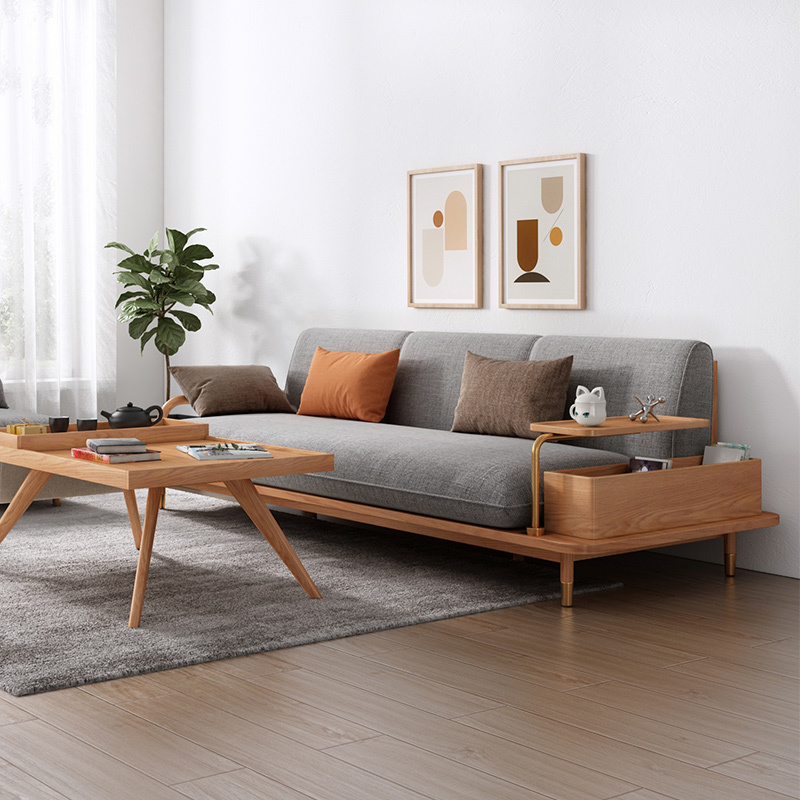
In minimalist and contemporary interiors, these lamps often serve as functional sculptures. Their clean lines, understated finish, and tactile quality can add a layer of subtle sophistication without overwhelming the space. The matte surface avoids harsh reflections, contributing to a serene and uncluttered look. The subdued nature of the finish complements the often neutral color palettes and uncluttered layouts characteristic of these styles. These lamps can act as gentle anchors, providing light without demanding visual attention.
Scandinavian and Japandi Aesthetics
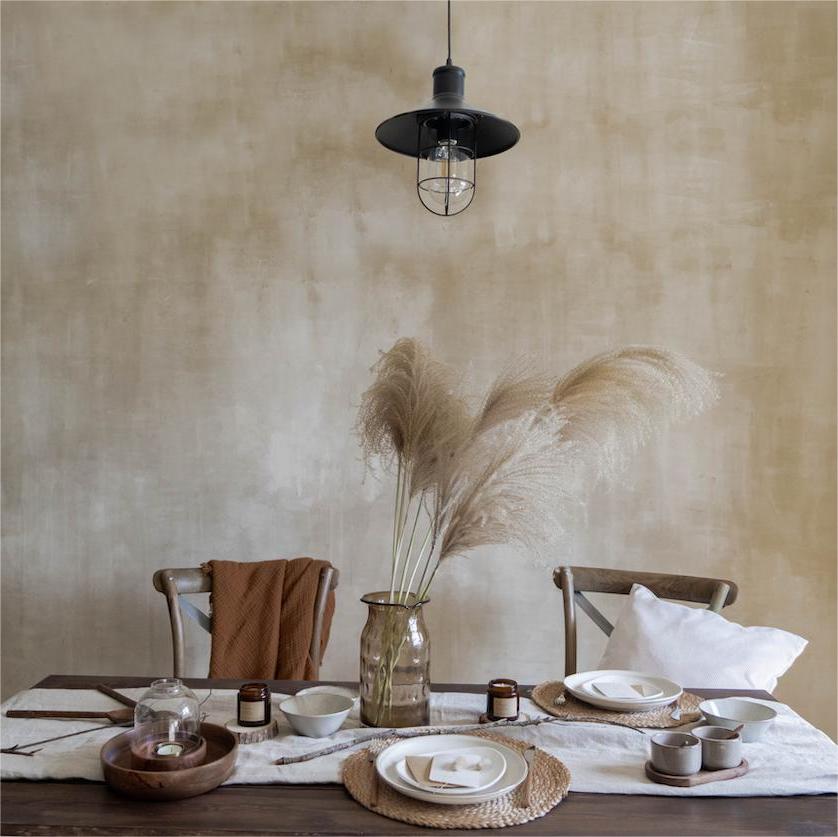
These lamps align particularly well with Scandinavian and Japandi design principles, which emphasize natural materials, functionality, and a sense of calm. The ceramic material itself is natural, and the matte finish evokes earthiness and warmth. The tactile element invites a connection with the material, aligning with the appreciation for sensory experience found in these styles. The muted tones often associated with tactile matte finishes also harmonize with the natural wood, muted textiles, and minimalist sensibilities of these approaches.
Rustic and Industrial Influences
Even within more rustic or industrial settings, these lamps can find a place. The inherent earthiness of ceramic and the imperfect, natural texture of a matte finish can complement rougher materials like exposed brick, raw wood, or metal. The lamp then becomes a grounding element, adding a touch of organic warmth to a typically more austere environment. The matte finish can absorb light rather than reflect it, which can soften the often starker lighting conditions found in industrial spaces.
Functional Aspects of Placement
Beyond aesthetics, the placement of these wall lamps is critical for their functional performance and contribution to the overall ambiance.
Task Lighting Applications
When used for task lighting, such as beside a reading chair or in a kitchen area, the diffuse nature of the light emitted by a tactile matte ceramic lamp is beneficial. The matte surface of the shade, if present, reduces glare, making it more comfortable for prolonged use. The light is often directed downwards or outwards, providing focused illumination without harsh shadows or bright spots. The tactile finish also adds a sense of quality and substance to the fixture itself, a consideration even in purely functional applications.
Ambient Lighting and Mood Creation
As a source of ambient lighting, these lamps excel at creating a soft, inviting atmosphere. The light emanating from within the ceramic shade is often diffused, bathing the surrounding area in a gentle glow. The tactile matte surface of the lamp’s exterior can contribute to this by absorbing excess light and preventing distracting reflections. This makes them suitable for living rooms, bedrooms, or hallways where a sense of tranquility is desired. The texture of the finish can add a subtle visual interest even when the lamp is not illuminated.
Accenting Architectural Features
A strategically placed tactile matte ceramic wall lamp can be used to highlight architectural elements such as textured walls, artwork, or decorative niches. The way the light falls on these features, softened by the diffuse nature of the lamp’s output, can create depth and visual layers within the space. The lamp itself, with its own subtle texture, becomes a point of visual interest without competing with the illuminated feature.
The Sensory Experience: Touch and Perception
The “tactile” attribute of these ceramic wall lamps introduces a dimension beyond mere visual appeal, engaging the sense of touch and influencing how the fixture is perceived within a space.
The Act of Touching and Engagement
The invitation to touch is subtle but present. The texture of the matte ceramic, unlike the cold, smooth surface of polished metal or glass, offers a more approachable and grounded feel.
Materiality and Grounding
The tactile quality of the ceramic connects the user to the material’s inherent properties. It’s a reminder of its earthy origins and its transformation through fire. This can create a sense of grounding and authenticity within a modern or constructed environment. The act of touching can be a brief moment of sensory engagement that reinforces the presence and substance of the object. It’s akin to running a hand over a well-crafted piece of furniture; the physical sensation adds to the overall appreciation.
Psychological Impact of Texture
Textures themselves can evoke psychological responses. A soft, slightly rough texture can be perceived as calming and comforting, whereas a sharp or slick texture might feel more alerting or even jarring. The tactile matte finish of ceramic often falls into the former category, contributing to a sense of ease and relaxation in the environment. This is particularly relevant in spaces designed for rest and rejuvenation, such as bedrooms or lounges.
The Interplay of Visual and Tactile Qualities
The visual and tactile aspects of the lamp are not independent; they inform and enhance each other.
Visual Cues for Tactility
The visual appearance of a matte finish, especially a textured one, often prepares the viewer for a tactile experience. The apparent roughness, even in a low-resolution image, suggests a texture that might be felt. This pre-cognition can influence how the object is perceived before it is even touched, foreshadowing its sensory properties. Conversely, the tactile experience can reinforce the visual perception of the material’s authenticity.
Enhancing Perceived Value and Craftsmanship
A noticeable tactile quality can elevate the perception of craftsmanship and quality. It suggests that attention has been paid to the finishing of the object, not just its form. This is particularly true when the texture is subtle and well-executed, indicating a deliberate choice and skillful application. It distinguishes the lamp from mass-produced items with more generic finishes, imbuing it with a sense of individual character.
Lighting Effects and Atmosphere
The way a tactile matte ceramic wall lamp interacts with light is central to its role in shaping the atmosphere of an interior.
Diffused Illumination and Soft Shadows
The primary characteristic of light emitted from or reflected by a tactile matte ceramic surface is its diffuse nature.
Reducing Glare and Harshness
Glossy surfaces reflect light directly, creating intense points of brightness that can cause glare and eye strain. The matte finish, by scattering light, mitigates this effect. This results in a more comfortable visual experience, particularly important for ambient lighting or in areas where direct light sources might be an issue. The ceramic itself, particularly if it contains the light source, acts as a diffuser.
Creating a Gentle Glow
The scattered light creates a soft, ambient glow that can transform the mood of a room. Instead of sharp contrasts, there are gentle transitions between light and shadow. This contributes to a sense of warmth, comfort, and intimacy. The light feels less like a direct beam and more like an emanation from the fixture itself.
The Role of Ceramic in Light Diffusion
The material properties of ceramic, especially with a matte finish, play a crucial role in the quality of light produced.
Opaque Nature of Ceramic
Most ceramic lamp bodies are opaque, meaning light does not pass through them. This necessitates the use of open sections, cutouts, or translucent ceramic to allow light to escape. However, even in these cases, the interaction of light with the matte ceramic surface is key.
Light Interaction with the Matte Surface
When light strikes the matte ceramic surface, it undergoes diffuse reflection. If the light source is contained within, the ceramic acts as a filter and diffuser, smoothing out the light before it emanates from openings or decorative elements. If the lamp has a ceramic shade, the interior matte surface will diffuse any light directed towards it, again contributing to a softer output. The tactile texture of the ceramic itself, even at a microscopic level, contributes to this light scattering effect.
Maintenance and Longevity
The material and finish of ceramic wall lamps contribute to their ease of maintenance and their potential for long-term durability.
Cleaning and Care of Ceramic
Ceramic is generally a low-maintenance material, but proper care ensures its aesthetic appeal is preserved.
Simple Dusting and Wiping
The matte finish, while offering a pleasant texture, can sometimes be more prone to accumulating dust than a perfectly smooth, non-porous surface. However, it is typically easy to clean. Regular dusting with a soft, dry cloth is often sufficient. For more stubborn marks, a slightly damp cloth can be used. It is important to use a mild detergent if necessary and to ensure the cloth is not overly wet, to prevent water marks.
Avoiding Abrasive Cleaners
Harsh or abrasive cleaning agents should be avoided, as they can potentially scratch or damage the matte finish, altering its appearance and tactile quality. Similarly, scouring pads or stiff brushes should not be used. The goal is to maintain the integrity of the glaze and its textured surface.
Durability and Resistance to Wear
The inherent properties of ceramic and the nature of a well-applied matte finish contribute to the longevity of these lamps.
Resistance to Fading and Discoloration
High-quality ceramic glazes are resistant to fading and discoloration from prolonged exposure to light and environmental factors. This means the color of the lamp will likely remain consistent over time, a benefit for maintaining the intended aesthetic of an interior.
Impact Resistance and Surface Integrity
While ceramic is not as brittle as glass, it can chip or break if subjected to significant impact. However, for a wall-mounted fixture, such impacts are less common during normal use. The matte finish itself is generally quite durable. Unlike painted surfaces that can chip, a matte glaze is fused to the ceramic body, forming a single, robust layer. Minor scuffs can sometimes be less noticeable on a matte finish compared to a glossy one, where they might be more apparent as scratches. The tactile quality, rather than being a weakness, is a characteristic of its durable, fired nature.